
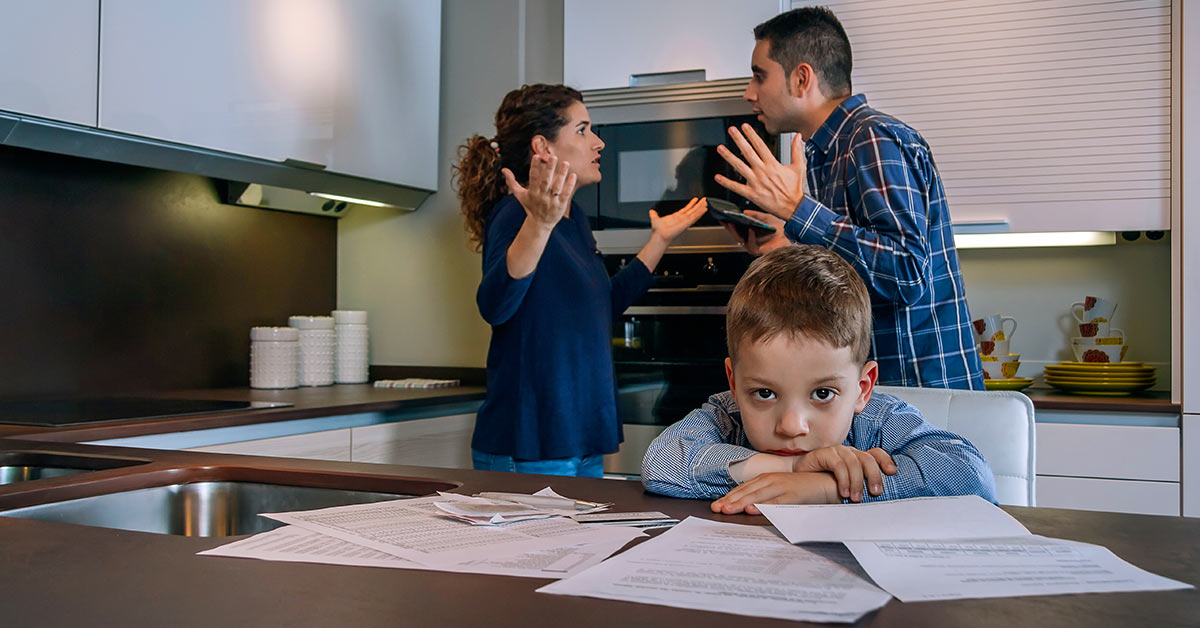
Co-parenting can be hard—and communicating with a co-parent can be even harder. At Laidlaw Family Law, we believe that the goal of good co-parenting is helping your child (or children) adjust in a healthy, stable, and emotionally secure way. Good communication is at the heart of that goal. When parents are able to share information calmly and respectfully, children feel safer and less caught in the middle.
One of our favorite resources for parents learning to navigate this new dynamic is *The Quick Guide to Co-Parenting After Divorce* by Lisa Gabardi, Ph.D. This book highlights many of the common challenges co-parents face and offers a thoughtful, structured approach to conversations. We especially appreciate Step 2: The Structure of the Conversation (page 25), which lays out a clear framework for what healthy communication looks like.
The first step is to start with the basics—what your co-parent needs to know to support your child’s day-to-day life. This includes emergencies or important updates, positive anecdotes or successes, school information and social calendars, and logistics such as pick-ups, drop-offs, and activities. These are factual items that don’t need opinions attached. Keeping them straightforward helps avoid unnecessary conflict and keeps the focus on your child.
Once the essentials are covered, you can move into topics that require discussion or decision-making. This is where tone and structure matter most. Dr. Gabardi recommends approaching these conversations with emotional control by pausing before reacting, showing respect for both perspectives by recognizing that disagreement doesn’t require hostility, and practicing humility and reasonableness by assuming good intent when possible. Listening and finding common ground should be the goal, looking for overlap rather than opposition. It can help to share observations—both positive and negative—while expressing concerns and requests clearly. Finally, end with gratitude and a brief summary to close the conversation on a respectful note. This structure keeps discussions productive and centered on your child—not on conflict.
Even the most well-intentioned parents can slip into habits that increase tension. It’s important to avoid speaking negatively about your co-parent, especially in front of your child(ren), yelling or name-calling, arguing in front of your child(ren), or using your children as messengers. If you find yourself stuck in these patterns, know that help and better tools are available.
We often suggest using the BIFF method, from *BIFF for Co-Parent Communication* by Bill Eddy, LCSW, Esq., Annette T. Burns, JD, and Kevin Chafin, LPC, along with OurFamilyWizard.com for written communication. BIFF stands for Brief, Informative, Friendly, and Firm. This approach encourages parents to respond promptly—but not immediately—since silence can sometimes be interpreted as consent (page 15). It also helps keep your messages calm, factual, and professional, which can prevent escalation and miscommunication.
If written communication isn’t an option, we recommend *Calming Upset People with E.A.R.* by Bill Eddy, which focuses on in-person communication. E.A.R. stands for Empathy, Attention, and Respect—three skills that help de-escalate tension and foster productive dialogue even in emotionally charged situations.
For parents looking to go even deeper, there are several additional books we often recommend. *Joint Custody with a Jerk* by Julie A. Ross, M.A., and Judy Corcoran offers real-world strategies and humor for dealing with difficult co-parent dynamics. *Mom’s House, Dad’s House for Kids* by Isolina Ricci, Ph.D., helps children understand and adjust to two-home families in a positive, empowering way. *The Sh!t No One Tells You About Divorce* by Jill Smokler provides a candid, relatable look at rebuilding after separation and navigating the emotional rollercoaster that comes with it.
Co-parenting will always come with challenges, but learning to communicate calmly, clearly, and consistently makes an enormous difference—for both parents and children. It takes time and patience, but every effort toward respectful communication helps your children feel supported and secure in both homes.
At Laidlaw Family Law, we believe cooperation over conflict is the foundation of successful co-parenting. If you want to learn more about improving communication, creating healthier routines, or exploring cooperative divorce options, our team is here to help. Visit LaidlawFamilyLaw.com or call us to schedule a consultation.
Resources & Links
- [The Quick Guide to Co-Parenting After Divorce – Lisa Gabardi, Ph.D.](https://www.abebooks.com/servlet/BookDetailsPL?bi=17095148002&dest=usa)
- [BIFF for Co-Parent Communication – Bill Eddy, Annette T. Burns, Kevin Chafin](https://www.barnesandnoble.com/w/biff-for-coparent-communication-bill-eddy/1136490897)
- [Calming Upset People with E.A.R. – Bill Eddy](https://www.amazon.com/Calming-Upset-People-Bill-Eddy/dp/1950057208)
- [Joint Custody with a Jerk – Julie A. Ross & Judy Corcoran](https://www.vitalsource.com/products/joint-custody-with-a-jerk-julie-a-ross-m-a-v9781250009692)
- [Mom’s House, Dad’s House for Kids – Isolina Ricci, Ph.D.](https://www.abebooks.com/servlet/BookDetailsPL?bi=32312931496&dest=usa)
- [The Sh!t No One Tells You About Divorce – Jill Smokler](https://www.ebay.com/itm/306427075479)
- [OurFamilyWizard](https://www.ourfamilywizard.com)
- [High Conflict Institute – E.A.R. Method](https://www.highconflictinstitute.com/calming-upset-people-fast-with-ear)