
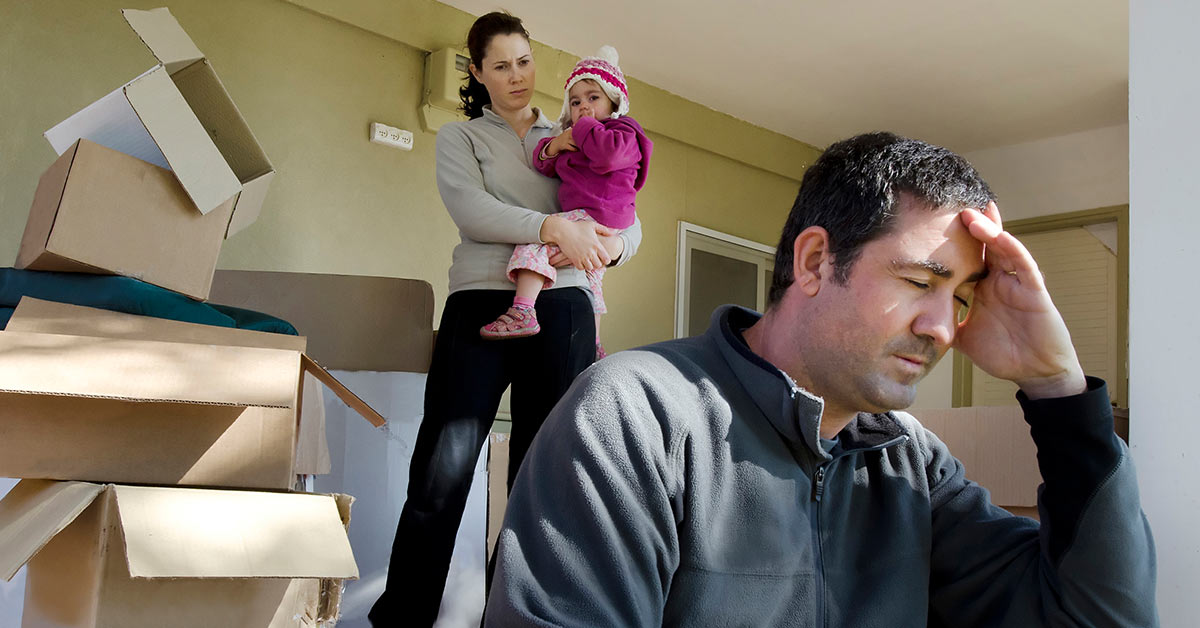
Navigating Divorce While Taking Care of Yourself and Your Children
May is recognized as Mental Health Awareness Month, a time dedicated to conversations about emotional wellbeing, resilience, and support. For parents going through divorce, mental health often becomes both incredibly important and incredibly difficult to prioritize at the same time. Between legal decisions, changing schedules, financial stress, and concern for your children, it can feel like there is no room left to care for yourself.
But the reality is this: your wellbeing matters. Not only for you, but for your children too. Divorce is not just a legal process. It is an emotional transition that affects nearly every part of life. Even when separation is necessary, healthy, or long overdue, it can still bring grief, anxiety, exhaustion, anger, uncertainty, and fear. Many parents feel pressure to “hold it together” for their children while privately struggling themselves. Others become so focused on logistics and survival that they stop paying attention to their own emotional needs altogether.
Mental health during divorce is not about being positive all the time or pretending everything is okay. It is about building enough support, stability, and self-awareness to move through a difficult season without losing yourself in it.
Divorce Changes More Than Your Relationship
When people think about divorce, they often picture court filings, parenting plans, or dividing assets. But behind every legal process is a human experience. Parents are not only grieving the end of a relationship — they are also adjusting to changes in identity, routine, communication, family traditions, finances, and future expectations.
For many parents, the emotional strain shows up physically. Sleep becomes harder. Concentration drops. Anxiety increases. Some people become emotionally reactive, while others completely shut down. Everyday tasks suddenly feel overwhelming. Even simple decisions can feel impossible when emotions are running high.
Children are often experiencing their own emotional adjustments at the same time, which can create an additional layer of pressure. Parents frequently worry about whether their children are okay, whether they are saying the right things, or whether they are somehow “damaging” their kids through the divorce process.
The good news is that children do not need perfect parents during divorce. They need emotionally present ones. They benefit most from stability, honesty, consistency, and parents who are willing to seek support when needed.
Emotional Resilience Is Not the Same as “Being Strong”
One of the biggest misconceptions about mental health is the idea that resilience means never struggling. In reality, emotional resilience is the ability to continue functioning, healing, and adapting even when life feels difficult. Some days during divorce may feel productive and hopeful. Other days may feel exhausting or discouraging. That does not mean you are failing. Emotional recovery is rarely linear.
Many parents are surprised by how much emotional energy divorce requires. Even amicable separations can create stress because there are still major life changes happening. Co-parenting discussions, custody schedules, financial decisions, and legal communication can all become emotionally draining over time.
This is why self-care during divorce needs to be viewed as a necessity rather than a luxury. Taking care of your mental health is not selfish. It is part of maintaining your ability to parent, make decisions, communicate effectively, and move forward. Sometimes self-care looks like therapy or support groups. Sometimes it looks like exercise, better sleep habits, reconnecting with friends, or simply allowing yourself time to rest without guilt. It may also involve setting boundaries with people who increase stress or learning healthier ways to communicate with a co-parent.
What matters most is consistency. Small, repeated acts of care often matter more than dramatic changes.

Therapy Can Be a Valuable Tool During Divorce
There is still stigma in some communities around seeking therapy, especially during emotionally difficult periods. But therapy is not a sign that someone is “falling apart.” In many cases, it is one of the healthiest decisions a person can make during a major life transition.
A therapist can provide neutral support during a time when emotions and conflict may feel overwhelming. They can help parents process grief, anxiety, anger, guilt, or fear in a productive way rather than carrying those emotions alone or unintentionally placing them on children.
Therapy can also help parents improve communication, manage conflict, recognize unhealthy relationship patterns, and create healthier coping strategies moving forward. For co-parents, emotional regulation often becomes one of the most important skills during and after divorce. Learning how to respond thoughtfully instead of react emotionally can significantly improve long-term co-parenting relationships.
Children may also benefit from therapeutic support depending on their age, personality, and the circumstances surrounding the divorce. Sometimes children need an outside person to help them process emotions they may not know how to express to a parent. Support does not need to happen only during a crisis. Preventive emotional care can be just as valuable.
For many families, one of the healthiest things a parent can say is: “We are going through something difficult, and it is okay to ask for help.”
Community Support Matters More Than Most People Realize
Divorce can feel isolating. Parents often pull inward because they feel embarrassed, emotionally drained, or uncertain about what to say to others. Some friendships change during divorce, particularly when social circles were closely connected to the marriage.
But isolation tends to make stress heavier. Community support can take many forms. It may come from close friends, family members, religious communities, support groups, therapists, parenting groups, or even coworkers who provide encouragement and understanding. Having people who can listen without judgment often makes a tremendous difference during difficult transitions.
Parents sometimes feel pressure to hide their struggles from everyone around them. While privacy and boundaries are important, complete isolation can increase anxiety and emotional exhaustion. Human beings generally cope better with change when they feel supported and connected.
This also models healthy behavior for children. Kids learn emotional habits by watching adults. When children see parents appropriately seeking support, maintaining healthy relationships, and prioritizing emotional wellbeing, they learn that mental health is something worth caring for — not something to ignore.
Children Benefit When Parents Care for Themselves
Parents often place themselves at the very bottom of the priority list during divorce. Their children’s schedules, emotions, and needs naturally come first. But many parents underestimate how closely connected their own wellbeing is to their children’s emotional adjustment.
Children are incredibly observant. They notice emotional tension, stress, exhaustion, and conflict even when adults believe they are hiding it well. This does not mean parents need to pretend to be happy all the time. In fact, children generally respond better to honest, emotionally regulated parents than parents who suppress everything.
A parent who is overwhelmed, burned out, emotionally reactive, or completely depleted will naturally have a harder time navigating co-parenting challenges. On the other hand, parents who care for their mental health are often better able to provide consistency, patience, and emotional security. This is especially important in high-conflict divorces. Emotional self-care is not just about feeling better personally — it can directly affect how conflict impacts children over time.
One book parents may find helpful during divorce is The Gifts of Imperfection by Brené Brown. While it is not specifically a book about divorce, it focuses heavily on shame, vulnerability, self-compassion, and resilience — all themes that frequently arise during major life transitions. Reading alone is not a replacement for therapy or support, but sometimes hearing reassuring perspectives from others can help parents feel less alone in what they are experiencing.

There Is No Perfect Way to Handle Divorce
One of the most difficult parts of divorce is the constant fear of making mistakes. Parents worry about saying the wrong thing, making the wrong decision, or not handling everything perfectly. The truth is that there is no perfect divorce. There is no perfect co-parenting relationship. There is no perfect emotional response to major change.
What matters most is intentionality. Parents who are willing to communicate thoughtfully, seek support, prioritize their children’s wellbeing, and care for their own mental health are often laying a strong foundation for long-term healing, even when the process itself feels messy or difficult. Giving yourself permission to be human during divorce is important. Healing takes time. Adjustment takes time. Emotional resilience is built gradually through consistent support and care.
At Laidlaw Family Law, PC, we understand that family law matters are deeply personal. Divorce is not only about legal outcomes, it is about helping families move through difficult transitions with clarity, support, and stability for the future.